Almost all banking career advice answers one question: how do I get in. Very little of it prepares you for the second: what do I do when the bank asks me to stay. By the end of the analyst years the routes diverge, and the analyst-to-associate offer arrives looking like a reward rather than a fork. The promotion says the bank thinks you can do the next job. It does not answer whether you want it.
What the promotion is actually assessing
Analyst-to-associate promotion, usually shortened to A2A, is the direct move into an associate seat without leaving for business school. At many banks it is now the standard route, and the timing varies by firm, geography and cycle.
On paper it follows sustained high performance. In practice it is a forecast. The group is not only asking whether you were a good analyst. It is asking whether it can picture you running a process, reviewing someone else’s work, communicating upward and holding the thing together when it gets untidy.
That is why the strongest analyst is not automatically the strongest candidate. A brilliant modeller who hoards work, communicates late and makes juniors nervous can be extremely valuable in the current seat and still give a group pause about putting them in charge of people. Promotion is not a long-service award. It is an underwriting decision on your next role.
The four kinds of trust underneath the decision
Banks differ in process, and the same four judgements sit underneath most of them.
Trust in your work comes first and matters least by the end. Your numbers tie, your comments are cleared, you know which parts of the model are fragile and you check them before anyone else finds out. By the later analyst years this is the entry ticket rather than the differentiator, and the question quietly changes from whether you can build the work to how much supervision you still consume.
Trust in your process management is what associates are actually paid for: analysts, VPs, clients, lawyers, accountants, data rooms, comments and deadlines, several of which move at once. An analyst waits to be staffed on the next task. An emerging associate can already see the next three.
Trust in your judgement is knowing when to escalate, when to solve quietly, when a number is technically correct and commercially misleading, and which error matters most when several things are imperfect. The associate seat holds more ambiguity than the analyst seat, and seniors need to believe your first instinct makes a process safer rather than noisier.
Trust in you around other people is where many strong analysts meet their first real ceiling. Associates translate in both directions, turning senior instructions into workable tasks and detailed output into concise updates. Doing it all yourself feels faster, and for a while it is. It is still not a scalable system.
Sponsorship, which is not on any scorecard
A mentor gives you advice. A sponsor spends their own credibility on your behalf when you are not in the room. You want both, and promotion decisions are moved by the second.
Sponsorship is rarely created by asking someone to be your sponsor. It accumulates from evidence: they have seen you perform on difficult work, you responded well when something went wrong, you made a process or a client relationship easier, and they believe backing you will reflect well on their own judgement.
That last point sounds political and is simply how organisations work. A promotion recommendation is a small bet of reputation, and your sponsor needs enough evidence to make it comfortably. The practical implication is not to manufacture visibility. It is to avoid doing two years of excellent work exclusively for people who will not be in the room.
The signals that the group already sees you as an associate
Promotion decisions are rarely a surprise. The signals show up in the work months before anyone says anything, and the negative ones are just as legible.
If the signals are unclear, ask directly. The most useful question is harder to answer with generic encouragement: if the associate decision were made today, what would make the group hesitate about me?
- Good: analysts are sent to you for context, VPs ask for your view rather than your output, staffers use you on fragile processes, and feedback has moved from modelling to delegation and judgement.
- Good: people have started describing what you will be doing next year.
- Bad: your work is strong and still checked from first principles.
- Bad: you are known for speed and not for communication, and juniors avoid asking you questions.
- Bad: the same feedback repeats without visible change, and nobody has discussed timing with you at all.
What actually changes in the job
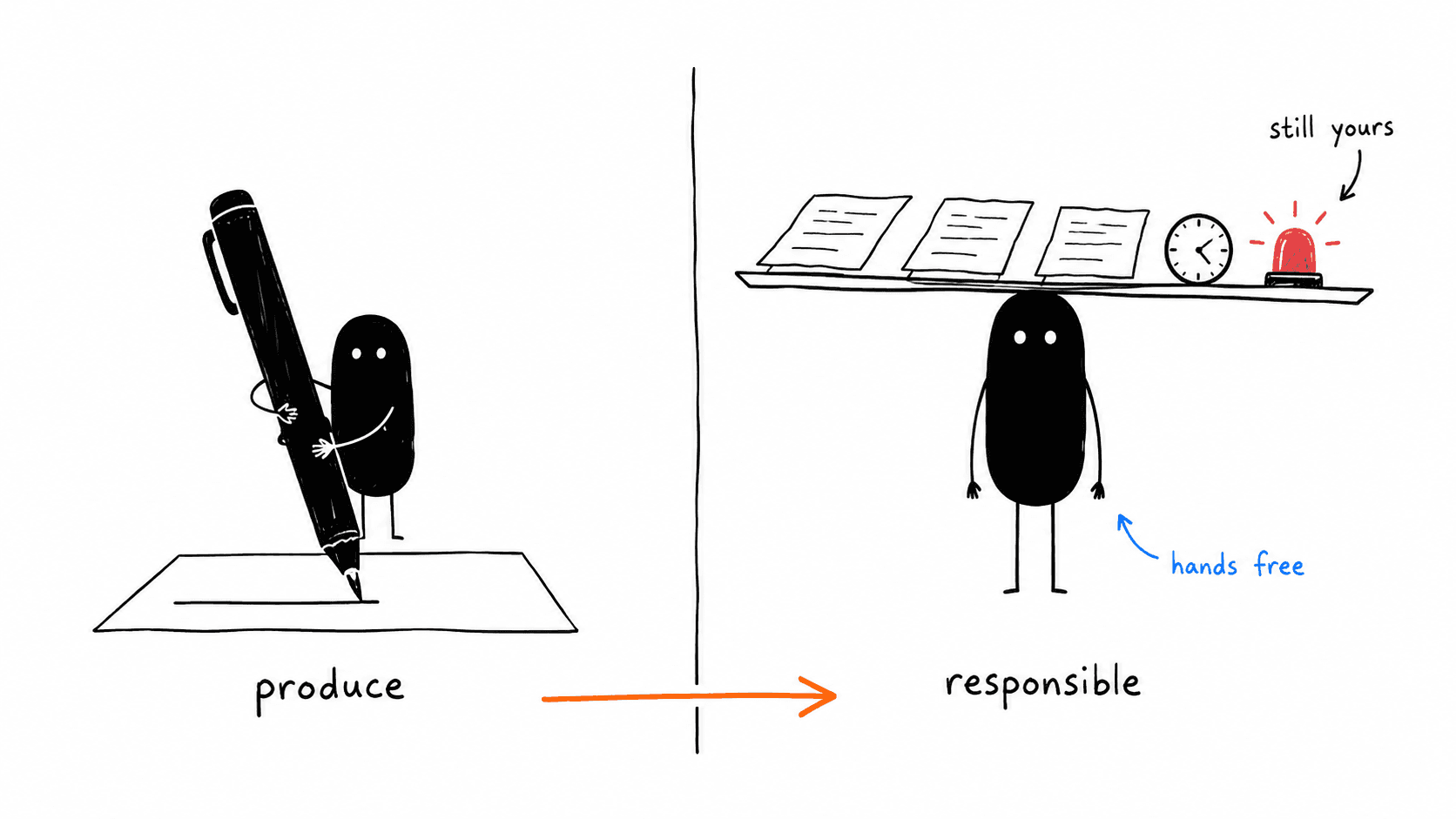
The cleanest way to put it: analysts produce, associates are responsible. You may not build every model or page, and you become accountable for whether the work is right, whether it lands on time, and whether the team knows what happens next.
You review work you did not build, which is not the same as rebuilding it. You need the architecture, the dangerous areas and a decision about how deeply to check each part. Weak new associates either trust everything or redo everything: the first creates errors and the second creates a very expensive analyst with a new title.
You manage people with different strengths. One analyst is technically excellent and poor at updates, another communicates well and needs modelling support, a third is new and overwhelmed and pretending otherwise. The task is not to manage them identically.
You absorb pressure differently. As an analyst a hard process means more work. As an associate it means more decisions, more coordination, and responsibility for errors you did not personally make. Stress is part of the job; making it contagious is not.
What quietly blocks promotion
Blockers are rarely dramatic. Most are habits that stay tolerable right up until the bank imagines them at larger scale.
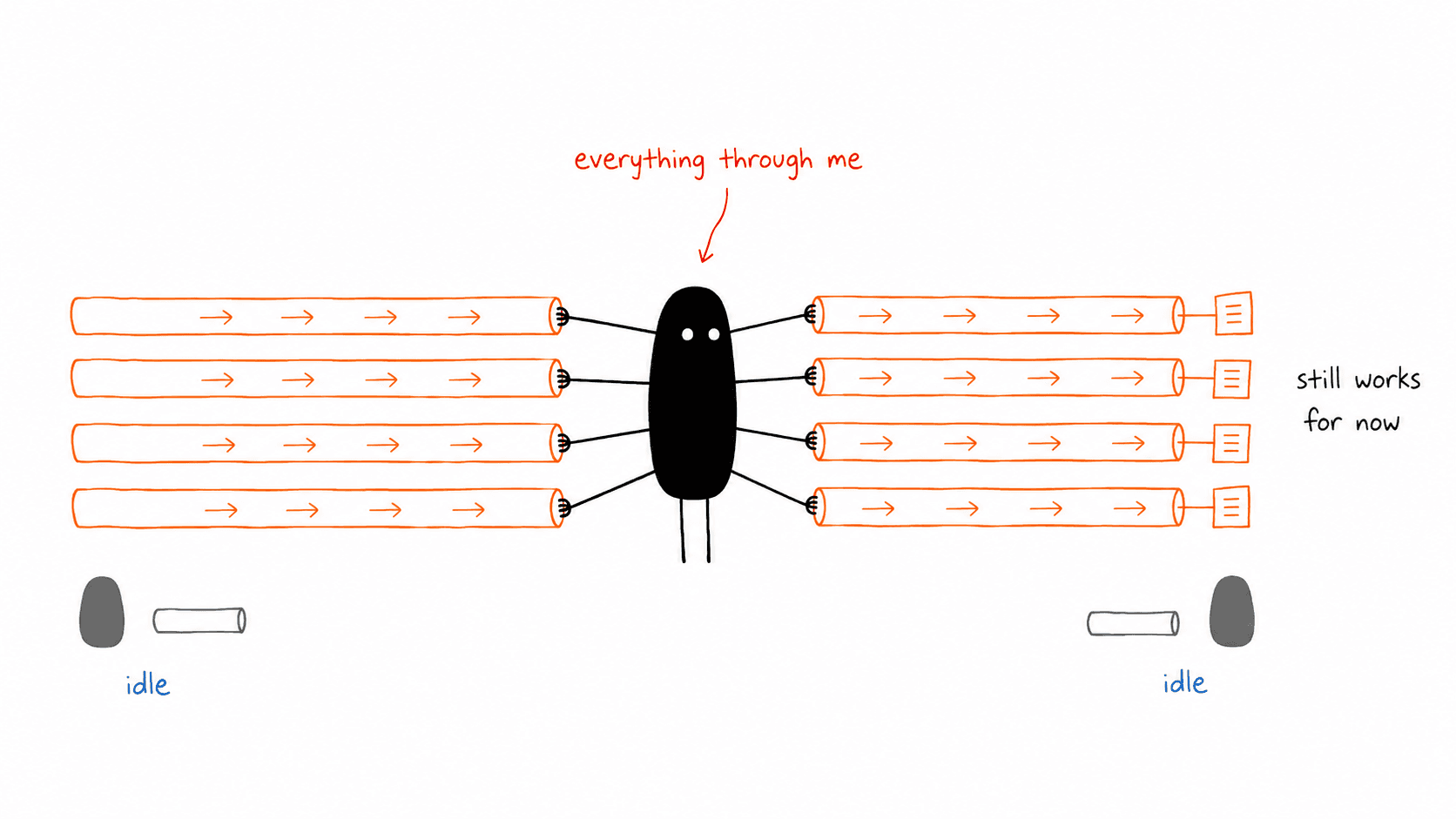
The hero analyst is the commonest. You rescue every process by working longer and taking everything back, the output is good, nobody else improves, and you become the bottleneck. Heroics can save a night. They cannot run a team.
Late escalation is the next. You dislike raising a problem before you have solved it, so seniors hear about it once the options have narrowed. Associates are not expected to prevent every problem. They are expected to preserve room to act.
Then invisible work, being strong downwards and weak upwards or the reverse, and treating the promotion as something tenure earns. Tenure supports the case. It does not make it.
The real decision: should you take it?
The flattering answer is yes. The useful answer depends on what you are optimising for, and the honest version is that the associate job is a different job rather than more of the analyst one.
Take it if you enjoy execution, client work and running processes, if you can see a credible path to VP, if the group gives you real deal exposure and sponsorship, and if the job itself appeals rather than the recognition of being offered it. It is the fastest route to a continuing banking career: you keep momentum and you skip both tuition and foregone earnings.
The buyside is not the next level of banking. It is a different game that happens to recruit many of its players from banks, and it rewards owning a view rather than managing a process. An MBA is less necessary as a mechanical bridge than it once was, and still valuable when the reset itself is the point. A better group as a senior analyst can be worth more than an associate title in a franchise going nowhere.
And the honest answer may be that neither associate nor investor is the job you want. Banking creates portable skills, and corporate development, strategy, operating roles and starting something all use parts of the toolkit on different economics. Do not stay because leaving would make the analyst years feel wasted. That is sunk-cost reasoning, and you already know better.
| Route | What you are choosing | Main advantage | Main risk |
|---|---|---|---|
| A2A | Keep building a banking career | Fastest route to VP, no reset | Accepting the reward without wanting the job |
| Buyside | Move from executing to deciding | Ownership of a view, different upside | Treating every buyside seat as automatically better |
| MBA | Buy a structured reset | Network, geography, optionality | High cost with no clear objective attached |
| Lateral | Same career, better platform | Deal flow, group, sector | Resetting credibility for an incremental gain |
| Leave | Apply the toolkit elsewhere | Fit with what you actually want | Moving without a thesis for what comes next |
Positioning before promotion season
Do not wait for the formal conversation to start behaving like an associate.
A year out, ask for specific feedback on associate readiness, close any repeated technical or communication gap, seek exposure to seniors who actually develop people, start helping junior analysts without appointing yourself their manager, and decide whether you genuinely want the route.
Six to twelve months out, take clearer ownership of workstreams, practise concise upward communication, keep a private record of deals and feedback, and resolve any MBA or buyside timing before those options close quietly.
In the final months, ask where the decision stands, close specific gaps rather than attempting a personality transplant, make your interest clear without acting entitled, and keep doing the work well. That last one sounds obvious. Promotion anxiety makes people strangely capable of neglecting the job the promotion is based on.
If you do not get it
Not getting A2A is information rather than a verdict. The cause may be performance, sponsorship, group economics, headcount, timing, or several at once, and your first task is to separate them.
Ask what specifically prevented it, whether the decision was about readiness or available seats, what evidence would change the outcome, whether there is a credible path next cycle, and whether another group would assess you differently. Then judge whether the answer describes a repairable gap or a polite delay. Do not spend another year chasing a promise nobody will define.
Frequently asked questions
How long does it take to go from analyst to associate?
Commonly two to three analyst years, varying by bank, geography and cycle. Some banks run fixed analyst programmes, others accelerate selected people or adjust to business need.
Do you need an MBA to become an investment banking associate?
No. Direct promotion is established across many banks. An MBA is more useful when you want a genuine reset in geography, network or direction than when you simply want the next banking title.
What matters most for A2A promotion?
Reliable work, process ownership, communication, judgement and credible senior sponsorship. By the later analyst years technical competence is assumed, and the differentiating question is whether the group trusts you to make other people and processes work better.
Is associate harder than analyst?
Difficult in a different way. Analysts carry more direct production. Associates carry more coordination, review and responsibility, so you may build fewer things yourself while being accountable for far more of the outcome.
Should I take A2A or move to private equity?
Choose between the jobs rather than the labels. Banking associates manage execution, clients and processes. Private equity professionals evaluate and own investments, with a different mix of modelling, diligence and portfolio work. The answer depends on which activity you want to repeat.
Can I lateral after accepting A2A?
Yes, though the market will assess both the title and the depth of associate-level experience behind it. Moving immediately after promotion preserves the title and gives you little evidence in the role.
What if I am a strong analyst without a sponsor?
Ask for calibration early and seek work that gives credible seniors a basis to judge you. Networking is not sponsorship: a sponsor needs first-hand evidence that you can perform and develop into the next seat.
Related guides
Private Equity
Off-Cycle Private Equity Recruiting in the US
7 min read
Private Equity
Private Equity On-Cycle Recruiting Timeline (2026-27)
9 min read
Financial Modelling
Financial Modelling Best Practices: The Conventions That Make a Model Auditable
11 min read
Investment Banking
The Investment Banking Career Path, Rung by Rung
9 min read
Hedge Fund
Hedge Fund Interview Questions Beyond the Stock Pitch
8 min read
Equity Research
Equity Research Interview Questions: The Coverage Mindset
7 min read
Want this applied to your recruiting?
Reading is the easy part. For practitioner feedback tailored to your situation, work 1:1 with Suro.