On-cycle private equity recruiting is the compressed, headhunter-driven process through which megafunds and large middle-market funds hire their incoming associate classes, historically 18-24 months before the job actually starts. It has been unusually volatile for the 2027 associate class: a summer 2025 pause followed by a sudden restart in January 2026. Here is what actually happened, sourced, and what it means for your preparation.
What on-cycle recruiting actually is
On-cycle is the coordinated kickoff where the major headhunters (Henkel, CPI, Ratio, Gold Coast, Dynamics, SG Partners and others) run first-year analysts through interviews for associate roles starting up to two years later. When it kicks off, it moves fast: top funds can run from first call to signed offer within 24-72 hours.
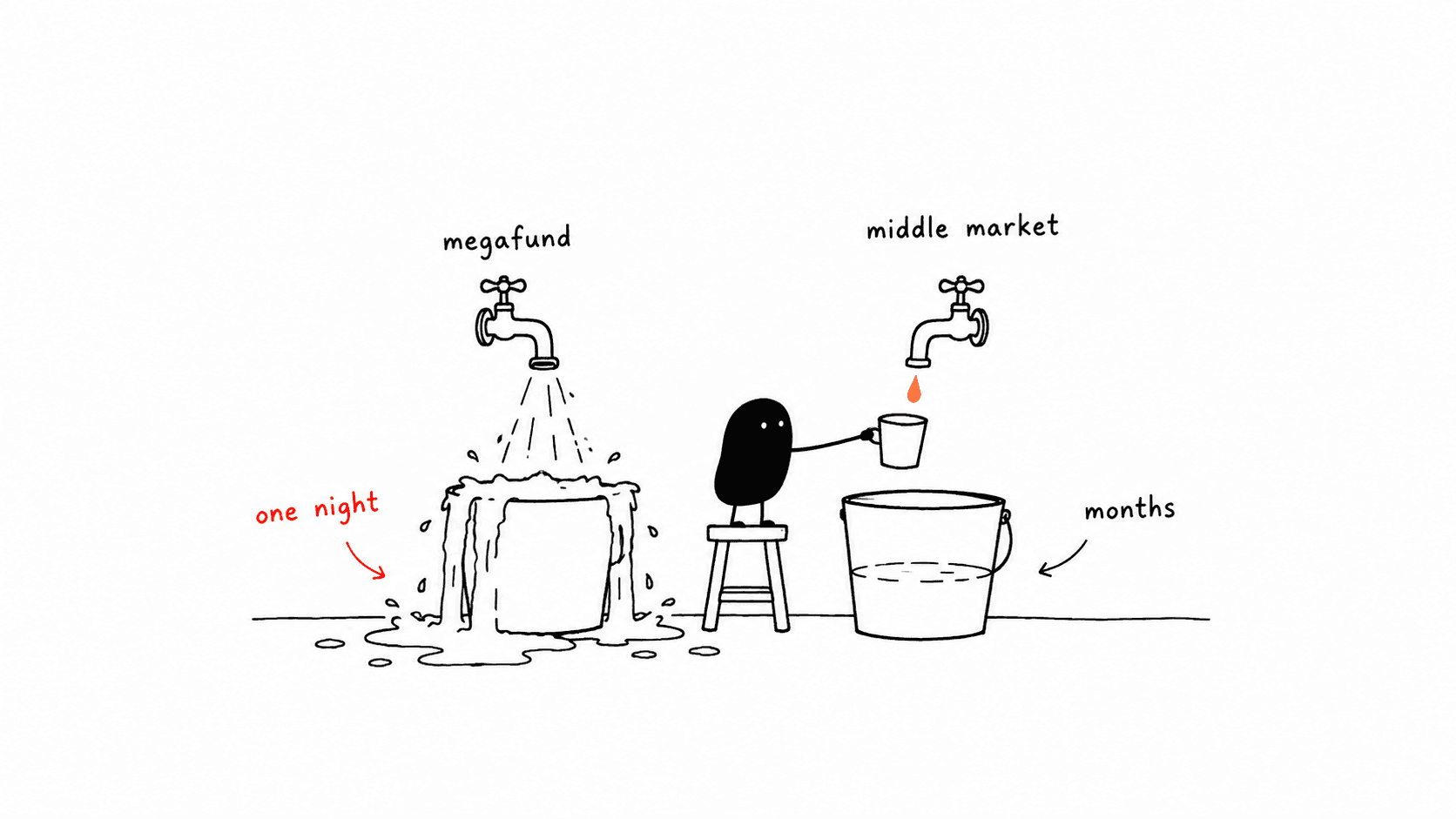
It is distinct from off-cycle recruiting, which runs continuously throughout the year and is more common at middle-market funds, growth equity, and in Europe. If you are not sure which applies to you, the rule of thumb is: megafund and large-cap US PE = on-cycle; most other buyside = off-cycle.
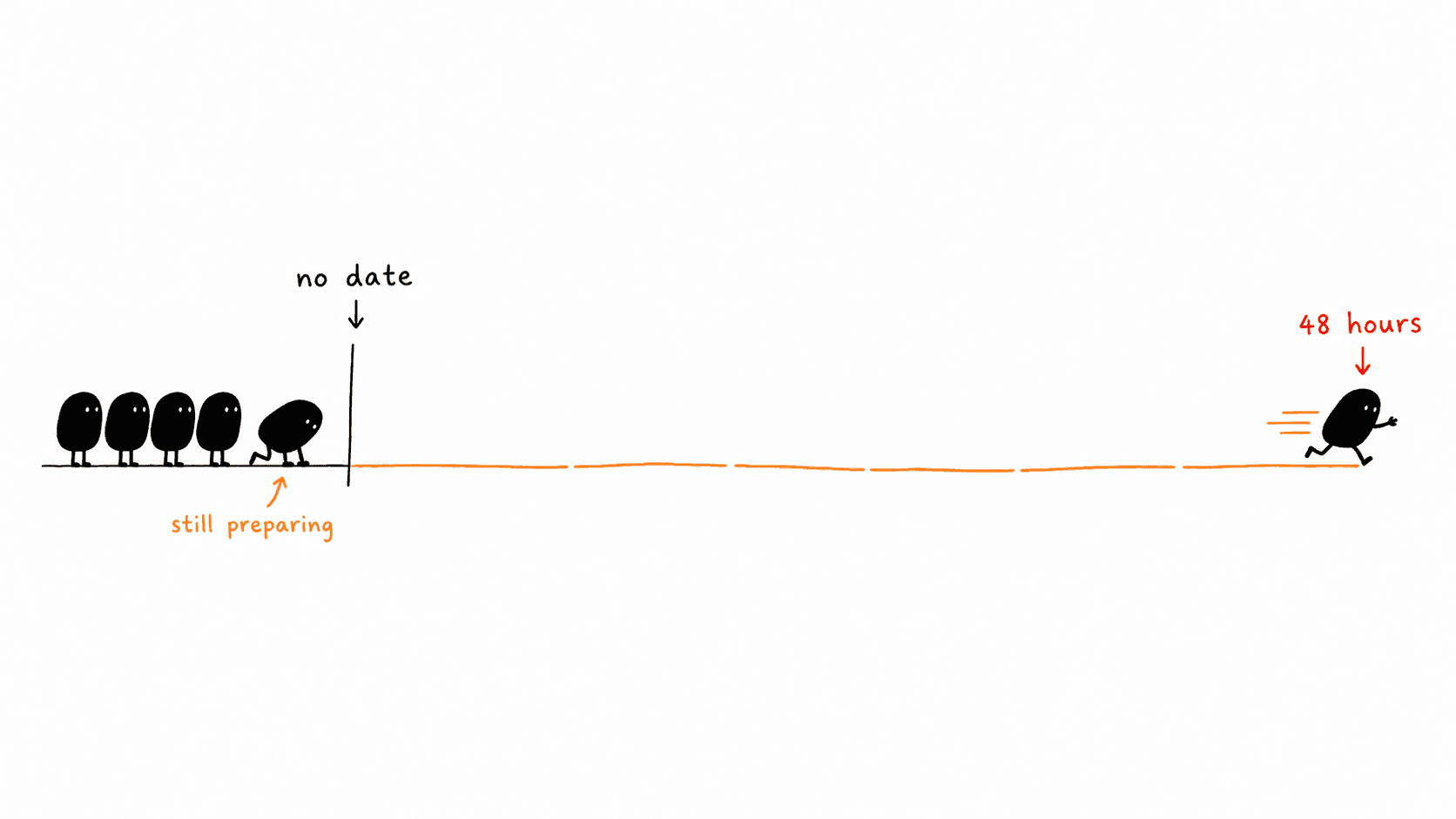
What actually happened to the 2027 class
The 2027-associate cycle is the clearest recent example of how unstable on-cycle timing has become. Firms had originally planned to run their usual process over summer 2025 for associates starting in 2027, but recruiting paused for roughly six months after JPMorgan Chase CEO Jamie Dimon publicly warned his incoming banking analysts against accepting future-dated buyout offers, triggering a broader moratorium across Wall Street banks.
The pause held until early January 2026, when more than a dozen major funds — including Blackstone, Apollo, KKR and Thoma Bravo — restarted recruiting essentially overnight. Interviews ran predominantly on 5-6 January: first-year banking analysts were summoned with little notice for a full day of technical questions, behavioural rounds and modelling tests, starting as early as 7am and running into the night, for jobs that would not begin until 2027.
What this means if you are prepping now
The 2027 cycle proves two things worth planning around: firms will still run on-cycle even after a bank-driven pause (the moratorium bent the calendar, not the practice), and when it restarts it can do so with essentially no warning — the January restart gave candidates hours, not weeks, of notice. Treat "on-cycle has paused" as a description of timing, never as a reason to stop preparing.
- Headhunter outreach: typically begins weeks after analysts start full-time, pause or no pause. Expect intro emails and forms requesting your resume, deal experience and fund preferences.
- Headhunter meetings: 30-minute screens where you state your story, target fund types (megafund, upper-MM, MM, growth) and geographies.
- The kickoff: when one major fund moves, the rest follow within hours, as the January 2026 restart showed. Interviews, case studies and modelling tests run back to back, often overnight.
- Offers: exploding offers are common. You may have minutes to hours to decide.
How to prepare and how early
Because the process can start before you have meaningful deal experience, and can restart with almost no notice after a pause — your preparation has to be largely complete before you begin your analyst role. The candidates who win are not smarter; they are more prepared, earlier.
- Master the paper LBO until you can complete it in under 10 minutes by hand.
- Build full LBO models from a blank sheet, including the debt schedule and returns bridge.
- Prepare 2-3 deals (your own or public) you can discuss with investment judgement, not just process.
- Develop a crisp "why PE / why this fund type" narrative for megafund vs MM vs growth.
- Practise case studies and investment recommendations under time pressure.
Megafund vs middle-market differences
Megafunds run the tightest on-cycle processes and weight modelling and pedigree heavily — the January 2026 restart was led by exactly this group. Upper-middle-market funds often run slightly later and value commercial judgement and fit more. Middle-market and growth funds frequently recruit off-cycle, giving you more time but requiring more proactive outreach.
Frequently asked questions
Did private equity on-cycle recruiting for 2027 associates actually restart?
Yes. After pausing for roughly six months following pressure from Wall Street banks over future-dated offers, more than a dozen major funds including Blackstone, Apollo, KKR and Thoma Bravo restarted recruiting for the 2027 associate class in early January 2026, running marathon interview days on 5-6 January.
Why did PE on-cycle recruiting pause before that?
JPMorgan Chase CEO Jamie Dimon publicly warned his incoming class of first-year banking analysts against accepting buyout-firm job offers dated nearly two years in the future, which triggered a broader moratorium on the practice across Wall Street banks over summer 2025.
How early should I start preparing for PE recruiting?
Your technical preparation should be essentially complete before you start your analyst job. On-cycle can restart with almost no warning — the January 2026 restart gave candidates hours, not weeks, so candidates who wait until they have deal experience are usually too late.
What is the difference between on-cycle and off-cycle PE recruiting?
On-cycle is the compressed, headhunter-coordinated process used mainly by US megafunds and large funds. Off-cycle runs continuously and is common at middle-market funds, growth equity and across Europe, requiring more proactive outreach.
Which headhunters run PE on-cycle recruiting?
The major search firms include Henkel, CPI, Ratio Advisors, Gold Coast, Dynamics Search Partners and SG Partners, among others. Getting on their radar early, with a clear statement of your target fund types and geographies, is a core part of the process.
Related guides
Private Equity
How to Answer "Why Private Equity?" (With Frameworks and Examples)
7 min read
Private Equity
LBO Interview Questions: The Conceptual Ones Behind the Maths
8 min read
Venture Capital
Venture Capital Interview Questions
10 min read
Private Equity
Private Equity vs Venture Capital: What Each One Is Actually Buying
10 min read
Want this applied to your recruiting?
Reading is the easy part. For practitioner feedback tailored to your situation, work 1:1 with Suro.