HireVue is the pre-recorded video interview platform Goldman Sachs and most other major banks use to screen candidates before a human ever sees the application — you answer prompts to a camera, with limited prep time and limited retries, and an AI system (alongside recruiters) evaluates the response before anyone moves you forward. It filters out more candidates than any other single stage of the process, precisely because people under-prepare for it. Here is what actually gets asked, how it is graded, and how to prepare properly.
The format
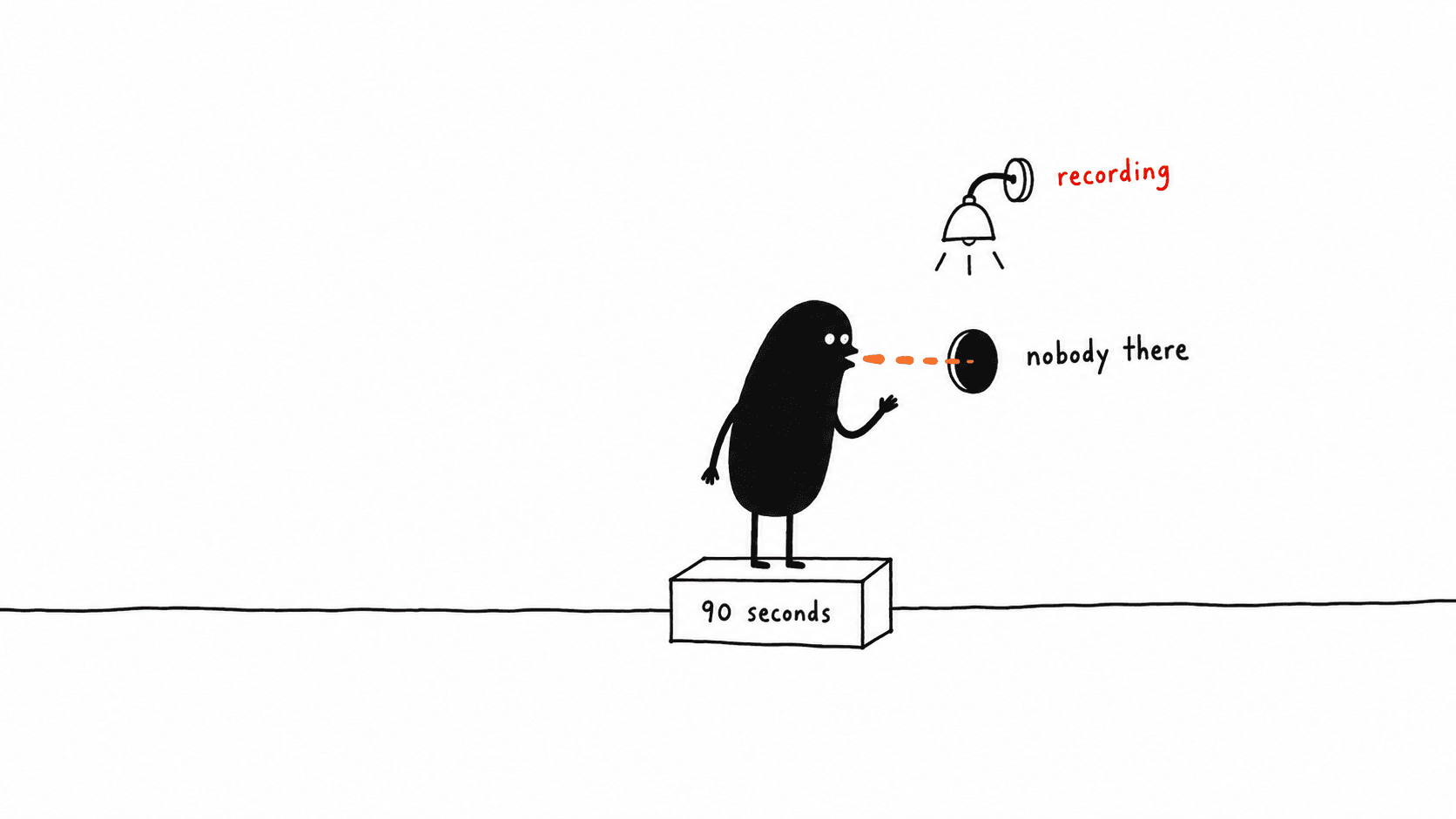
You get a written or video prompt, a short preparation window — typically 30-45 seconds — before recording starts automatically, and usually one to three attempts depending on the question. There is no interviewer in the room; the platform is unforgiving about hesitation and filler, and the automated screening component is known to flag generic, unspecific answers.
Sessions usually run 15-25 minutes across 4-6 questions. Camera and lighting matter more than candidates expect — a dim, off-centre video reads as a lack of preparation before you have said a word.
The question types you should expect
Goldman's HireVue leans heavily behavioural, with a lighter technical and market-awareness layer mixed in. Expect a combination of:
- Core behavioural: "Why investment banking?", "Why Goldman?", "Tell me about a time you worked under pressure / disagreed with a team member / led without authority."
- Light technical: walk-me-through-a-DCF-level questions, not multi-step follow-up chains — the depth of a Superday is not expected here.
- Market/business awareness: a recent deal or market theme you can discuss with a point of view, sometimes specific to the division you applied to.
- Situational judgement: how you would handle a hypothetical work scenario — conflicting priorities, an error you caught, a difficult stakeholder.
- Occasional brainteasers or "sell me this" style prompts, used more as a composure check than a right-answer test.
How to prepare without sounding scripted
The automated grading layer is specifically tuned to catch generic, rehearsed-sounding answers, so word-for-word memorisation is a liability, not an asset. The better approach: prepare the content (your story, your 3-4 core examples, your market view) thoroughly, then practise delivering it conversationally under timed conditions so it never comes out as a recital.
- Draft STAR-structured answers (Situation, Task, Action, Result) for your top 4 stories — leadership, failure, conflict, achievement, and know them well enough to vary the wording each time you say them aloud.
- Record yourself on your phone with a 30-second prep timer, exactly matching the real format, and watch it back. Most candidates are shocked by their own filler words and pacing on the first attempt.
- Prepare one specific, current market or deal talking point per likely division — vague enthusiasm ("I love markets") reads as unprepared next to a specific view.
- Set up lighting facing a window or lamp, a plain background, and camera at eye level. This is graded before you speak.
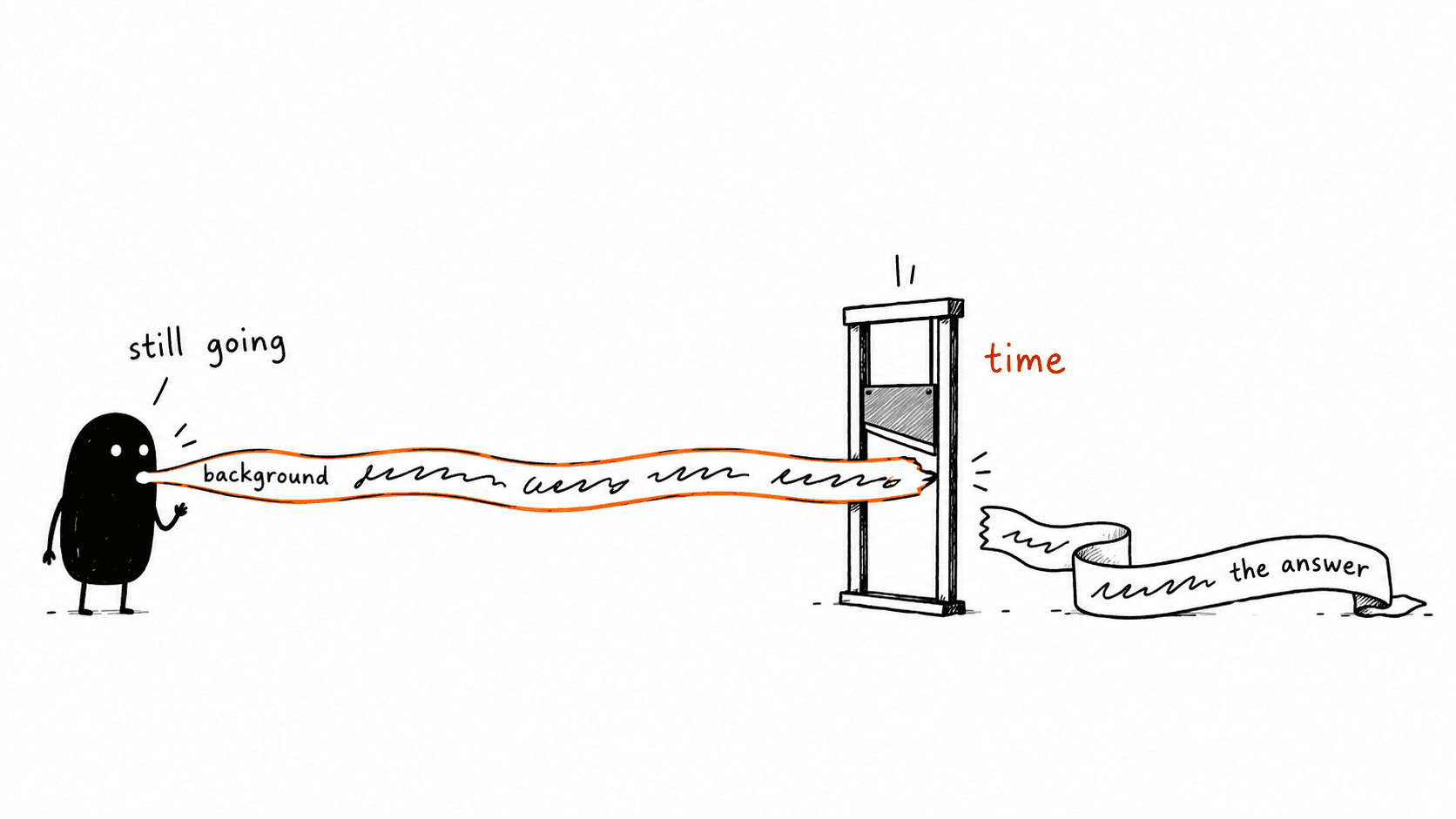
- Practise the close: end answers on the result/outcome, not trailing off — the recording often cuts off abruptly and unfinished-sounding answers read poorly on replay.
What actually gets you screened out
Not knowing why you want the specific division you applied to. Answers that could apply to any bank interchangeably. Silence or heavy hesitation during the recording (there is no interviewer to fill the gap for you). And, specifically for the AI layer: answers that pattern-match to generic, widely-used scripts — specificity is the single best defence against this.
Frequently asked questions
Does an AI actually grade the Goldman Sachs HireVue?
HireVue's platform includes automated analysis alongside human review, and is known to flag generic or unspecific answers. Treat both the human and automated layers as real: specificity and natural delivery matter for each.
How much prep time do you get per question?
Typically 30-45 seconds before recording starts automatically, with one to three attempts depending on the question — this varies by prompt, so listen carefully to the on-screen instructions each time.
Are HireVue questions technical?
Mostly behavioural, with lighter technical and market-awareness questions mixed in — nowhere near Superday-level technical depth. Basic fluency (a DCF walkthrough, a recent deal) is enough; deep follow-up chains come later in the process.
Should I memorise my answers word for word?
No — rehearsed-sounding answers are exactly what the automated screening is tuned to catch, and they read as inauthentic to human reviewers too. Prepare the content thoroughly, then practise delivering it naturally under timed conditions.
Now try it
HireVue Studio
The recorded video round under real conditions: prep clock, auto-start recording, no second take. Your camera, your browser, nothing uploads.
Related guides
Want this applied to your recruiting?
Reading is the easy part. For practitioner feedback tailored to your situation, work 1:1 with Suro.