Early-career finance recruiting in the UK and Europe runs through three distinct programme types, and candidates routinely apply to the wrong one for their year of study. Spring Weeks, Summer Internships and Industrial Placements serve different stages and feed into each other in a specific way. Here is how they differ and how they ladder toward a full-time offer.
Spring Weeks
Spring Weeks are short insight programmes (typically a week, in the spring) aimed at first-year university students (or second-years on a four-year course). They are introductory and exploratory: you learn about divisions, meet teams, and build early relationships. Crucially, they are the primary feeder into Summer Internship offers.
- Who: first-year students (penultimate-year minus one).
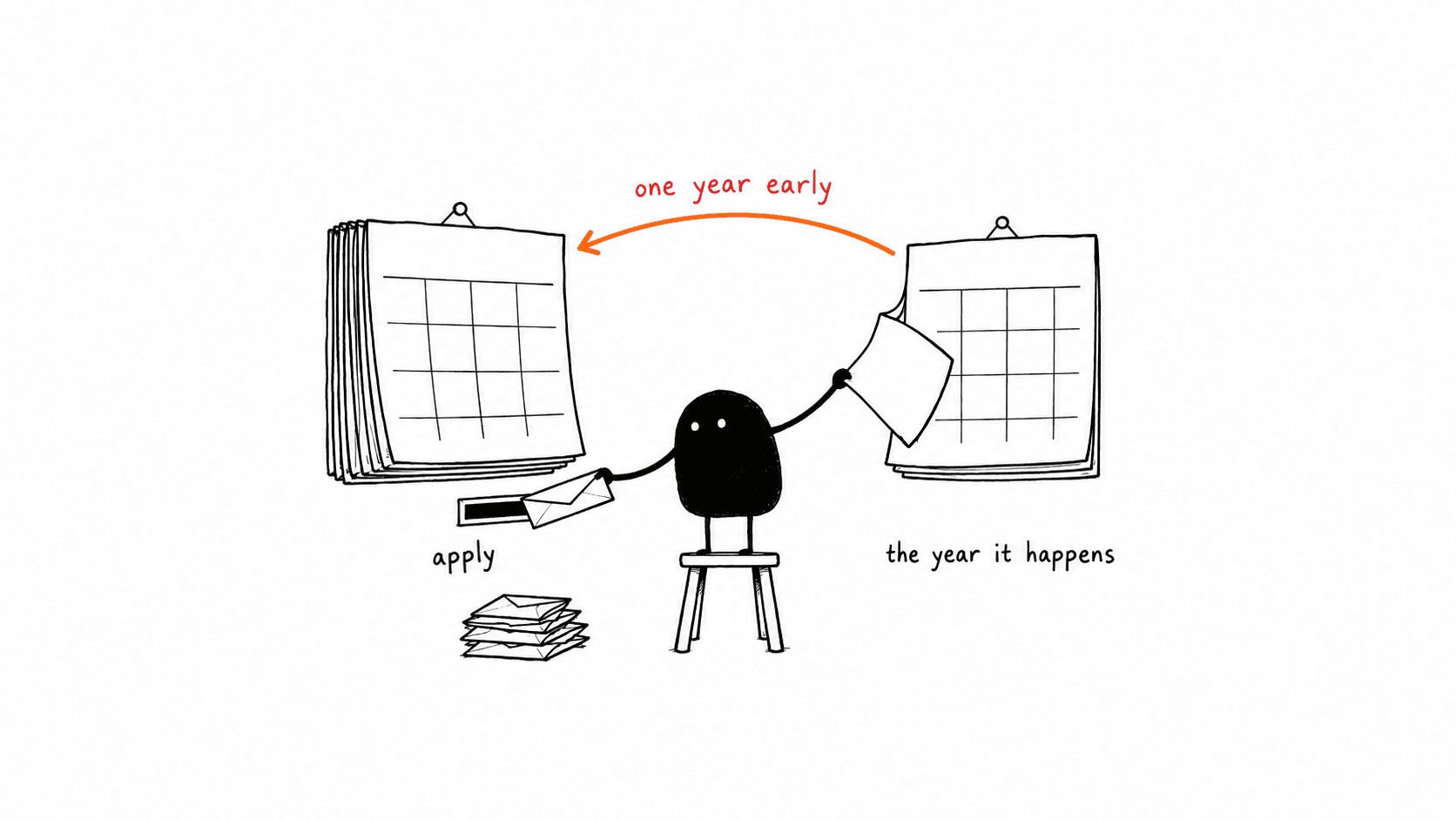
- When to apply: applications often open the autumn before, and many close on a rolling basis, so apply early.
- Why it matters: strong Spring Week performance can convert directly to a Summer Internship offer.
Summer Internships
Summer Internships are the main recruiting channel into finance. They run roughly 8-10 weeks over the summer for penultimate-year students, and they are effectively an extended interview: most full-time graduate offers come from summer interns who are asked to return.
- Who: penultimate-year students (the summer before your final year).
- When to apply: applications typically open in the autumn and close rolling; apply as early as possible.
- Why it matters: this is the primary pipeline to a full-time graduate offer.
Industrial Placements
Industrial Placements (also called placement years or year-in-industry) are longer, typically 6-12 months, and are designed for students on a degree that includes a sandwich year. They give deeper experience than a summer stint and can also convert to a graduate offer.
- Who: students on a degree with a built-in placement year.
- When to apply: the year before the placement, often autumn through winter.
- Why it matters: longer exposure, real responsibility, and a conversion path to full-time.
How they ladder together
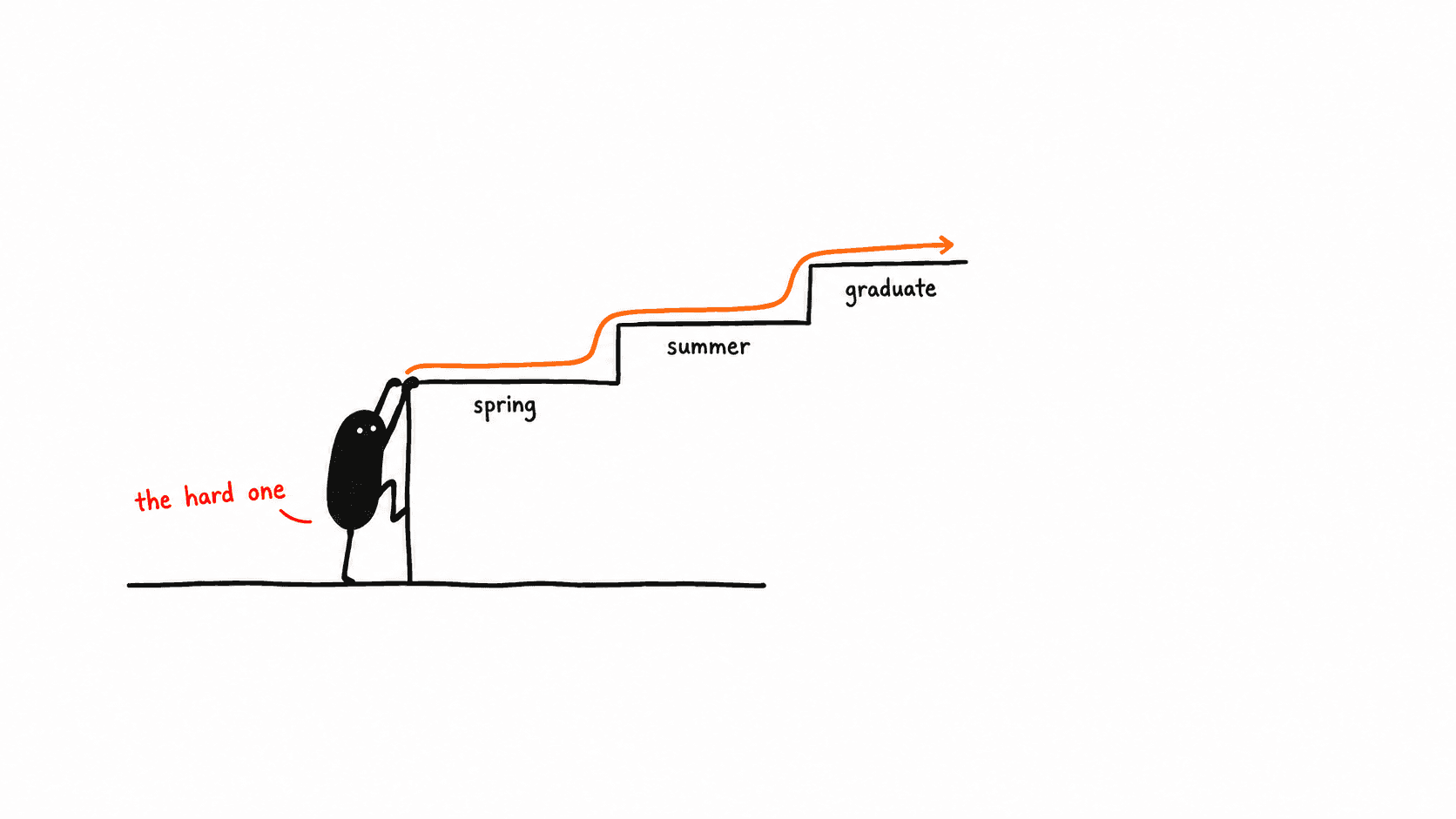
The typical path is: Spring Week in first year, converted or applied into a Summer Internship in penultimate year, converted into a full-time graduate offer. Industrial Placements are a parallel route for sandwich-degree students. Applying to the wrong programme for your year is the most common and most costly early mistake.
Frequently asked questions
What is the difference between a Spring Week and a Summer Internship?
A Spring Week is a short (around one week) insight programme for first-year students, used to explore the industry and build relationships. A Summer Internship is an 8-10 week paid programme for penultimate-year students that serves as the main pipeline to a full-time graduate offer.
Who should apply to an Industrial Placement?
Industrial Placements (6-12 months) are designed for students on a degree that includes a sandwich or placement year. They offer deeper experience than a summer internship and can convert into a full-time graduate offer.
When do Spring Week and Summer Internship applications open?
Both typically open in the autumn before the programme and many close on a rolling basis, so the practical advice is to apply as early as possible rather than waiting for a stated deadline.
Does a Spring Week lead to a Summer Internship?
Yes. Strong performance in a Spring Week is a primary feeder into Summer Internship offers, which in turn are the main route to a full-time graduate offer. The three programmes are designed to ladder into each other.
Related guides
Want this applied to your recruiting?
Reading is the easy part. For practitioner feedback tailored to your situation, work 1:1 with Suro.